Sewer Camera With a Locator vs Without One: Which Is Better? (October 2026)
Choose a sewer camera with a locator when you need to find the camera head's position from above ground. A camera without one can show pipe conditions, but it has no locating system.
On this page (7 sections)
- Sewer camera with locator vs without: what is the difference?
- When do you need a sewer camera locator?
- When is a sewer camera without a locator enough?
- What do the two VEVOR cameras offer?
- Does a locator make an inspection more accurate?
- Is a sewer camera with a locator worth the added complexity?
- Which should you choose?
Choose a sewer camera with a locator when you need to find the camera head's position from above ground. A camera without one can show what's inside a pipe, but it can't help mark where the head sits underground.
The difference matters after the camera reveals a crack, blockage or other point of concern. A compatible transmitter and locator receiver can help find that spot from the surface, while a camera without a locator may suit inspections where viewing and recording are enough.
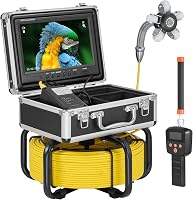
This comparison covers 2 VEVOR cameras with 98 ft cables. One includes a 512 Hz transmitter and receiver, while the other has no 512 Hz locating system.
 Best for locating trouble spots
VEVOR 98 ft Self-Leveling Camera With Locator
 Best for viewing pipe conditions
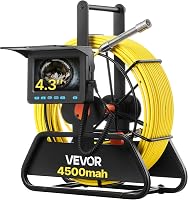
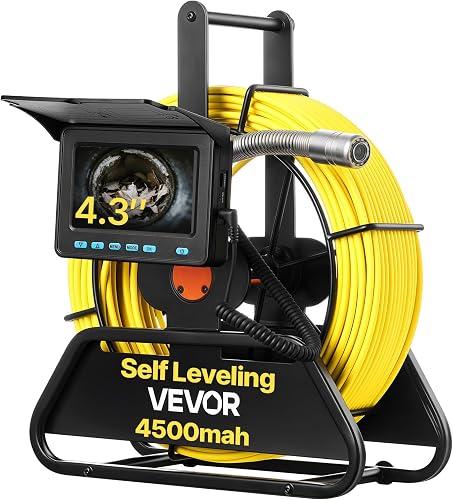
VEVOR 98 ft Self-Leveling Sewer Camera
Sewer camera with locator vs without: what is the difference?
A locator helps find the camera head's position from above ground; a camera without one is for viewing and recording the pipe interior. Both can show conditions as the head moves through the line.
The VEVOR camera with a locator pairs a built-in transmitter with an included 512 Hz locator receiver. Its cable is marked every 3 ft, which helps estimate how much cable has entered the pipe.
The VEVOR camera without a locator has a 98 ft cable marked every foot. It has no built-in 512 Hz transmitter and no 512 Hz locator receiver.
Cable marks can help estimate the distance traveled from the access point. They don't identify the camera head's surface position or the pipe's depth, so they can't replace locating equipment when you need to mark a spot.
When do you need a sewer camera locator?
You need a locator when the next step depends on finding the camera head's position outside the pipe. That can help you plan where to investigate or carry out follow-up work.
The camera display shows the inside of the line. A receiver adds a way to search above ground for the transmitter signal, which can connect what you see on screen to a place in the yard or floor.
A locator can also help distinguish distance traveled from actual location. Cable may bend or follow a route that isn't straight from the access point, so the amount fed into the pipe may not be enough to mark the spot on the surface.
The guide to what a sewer camera locator does explains the transmitter and receiver roles. Read it before deciding whether locating is part of your inspection plan.
When is a sewer camera without a locator enough?
A camera without a locator can be enough when your goal is to inspect and record pipe conditions. If you don't need to locate a finding from above ground, locating equipment may not serve your job.
A self-leveling view helps keep the image upright while the camera head turns. Both VEVOR cameras here have self-leveling cameras, so that feature doesn't distinguish their locating ability.
Recording can help you review a finding after the inspection or share the video with someone who will advise on next steps. The camera with a locator has a 9 in screen and 32GB SD card, while the camera without a locator has a 4.3 in screen and 16GB card.
Use the plain sewer camera buying guide to compare other features that affect inspections. Screen size, cable length, lighting and how you plan to save footage can matter even when you don't need a locator.
What do the two VEVOR cameras offer?
The camera with a locator adds a 512 Hz transmitter and receiver; the other has no locating system. Both use a 98 ft cable and self-leveling camera.
The camera with a locator has a 9 in screen, while the other has a 4.3 in screen. Compare the screen size you can comfortably carry and view during an inspection.
The camera with a locator has a 4500mAh battery described for 6–8 hours of continuous operation. The other has a 4500mAh battery described for 4–5 hours, so consider the expected inspection length.
For a broader look at cable length and reach, see how long a sewer camera cable should be. A longer cable doesn't guarantee that a camera will pass every bend or fit every pipe.
Does a locator make an inspection more accurate?
A locator adds position information; it doesn't improve the camera's image or guarantee a diagnosis. The camera view and the receiver answer different questions.
The camera shows visible pipe conditions, while a locator helps find the transmitter's position from above ground. You still need to interpret what the camera shows and decide what follow-up inspection or repair is appropriate.
A locator is most useful when you can act on the position it provides. If you're only saving a video to discuss with a plumber, the recording may be the main value and above-ground marking may not change your next step.
Follow the receiver instructions when locating the camera head. Contact a qualified professional if you need a precise location before digging.
Is a sewer camera with a locator worth the added complexity?
Choose the camera with a locator if you expect to mark findings underground; choose the other if you only need an interior view. The right choice depends on the work you plan to do after the inspection.
A locator adds another device to carry and learn. It can help when you need a surface position, but it's extra equipment if your inspection ends with a video or a decision to call a professional.
The camera without a locator still offers cable markings, recording and a self-leveling image. Those features support a visual inspection, but cable marks estimate fed length rather than the head's exact position.
For options centered on this feature, compare the best sewer cameras with a locator. For a broader comparison, see the best sewer cameras for home use.
Which should you choose?
Pick a sewer camera with a locator if you need to find a problem's surface position; pick one without it if viewing and recording are enough. The camera with a locator here includes a 512 Hz transmitter and receiver, while the other does not.
Choose the VEVOR 98 ft Self-Leveling Camera With Locator when you expect to mark the head's position above ground. Choose the VEVOR 98 ft Self-Leveling Sewer Camera when you want a self-leveling view, cable markings and recording without a locating system.
Before buying, decide what you'll do with a finding after seeing it on screen. If you need to pinpoint where it is, prioritize a compatible locator; if you only need to document pipe conditions, focus on the camera features you'll use most.
Sewer camera with locator vs without: quick answers
A locator helps find the camera head above ground; the camera shows the pipe interior. These answers summarize how the distinction affects a home inspection.
Can a camera without a locator estimate distance? Yes.
Cable markings can help estimate how much cable has entered the pipe, but they don't identify the head's exact surface position or depth.
Does every sewer camera with a transmitter include a receiver? No.
Check that the system includes a compatible receiver as well as a transmitter, since you need both to locate the signal from above ground.
Will a locator show the blockage itself? No.
The camera shows the pipe condition; the locator helps find the transmitter's position from the surface.
Use the camera image to assess what is visible.
Should you buy a locator for a one-time inspection? Buy one if marking the finding will affect your next step.
If you only need to record the inspection for a plumber, a camera without a locator may cover that need.
Frequently asked questions
What does a sewer camera locator do?
A sewer camera locator helps find the camera head's position from above ground. The camera shows the pipe interior, while a compatible receiver detects the head's transmitter signal so you can mark a position for follow-up work.
Can a sewer camera show a blockage without a locator?
Yes. A camera without a locator can show a blockage or other visible condition as the head moves through the pipe, and cable markings can help estimate how much cable entered.
That estimate doesn't give the surface position or depth.
Do all sewer cameras include a locator?
No. Some sewer cameras include a transmitter and compatible locator receiver, while others provide a camera view and recording without a locating system.
Check that both the transmitter and receiver are included if you need above-ground locating.
Is a 512 Hz locator useful for home inspections?
A 512 Hz locator can help when you need to find the camera head's position from above ground, such as before planning follow-up work. It may add little if you only need to view and record pipe conditions.
Does a locator measure the exact depth of a sewer line?
A compatible locator can help identify a transmitter's position and depth, but readings depend on how you use the receiver and conditions around the pipe. Follow the locator's instructions and treat readings as guidance for finding the camera head.