Is a Sewer Scope Inspection Worth It Before You Buy?
A sewer scope inspection is often worth arranging before you buy a home if the line is old, its condition is unknown, or drainage problems could affect your budget. The camera gives a view inside the reachable pipe, and an inspector can explain what the footage means and what to do next.
On this page (9 sections)
- When is a sewer scope inspection worth the cost?
- What can a sewer camera show inside the line?
- What should you ask before booking a sewer scope inspection?
- How should you choose a sewer scope inspection option?
- How can you prepare for the inspection?
- What mistakes can make a sewer scope less useful?
- What should you do with the inspection results?
- Can you do a sewer scope inspection yourself?
- Is a sewer scope inspection worth it before you buy?
A sewer scope inspection is often worth arranging before you buy a home when the line is old, its condition is unknown, or a repair could affect your budget. The camera gives you a view inside the reachable pipe, while an inspector helps explain what the footage means.
A standard home inspection may not include a camera inspection of the underground sewer lateral. Ask what the inspection covers, where the line runs, and whether you will receive video, images, or a written report.
When is a sewer scope inspection worth the cost?
A sewer scope is most useful when the line's age or condition is uncertain or there are signs of a drainage problem. It can help you decide whether to request more evaluation before you commit to the purchase.
Consider scheduling one if the home is older and its sewer material or repair history is unknown. Recurring slow drains, toilets that gurgle, wastewater backups, or past sewer repairs are also reasons to ask about a scope.
Large trees near the likely route of the line may be another reason to investigate. A camera may show visible roots inside the section it reaches, though it cannot show every possible cause of a blockage.
A newer home with records of recent sewer work raises a different question than an older home without records. Ask your inspector or plumber whether the documents answer your concerns or whether a separate scope could add useful information.
For general equipment context, see our plain buying guide to sewer cameras. It explains how camera features can affect a pipe inspection.
What can a sewer camera show inside the line?
A sewer camera can show visible conditions along the section reached by its probe. Depending on the pipe and view, an inspector may see roots, buildup, standing water, cracks, or misaligned joints.
The footage shows the pipe interior, not a full diagnosis of every plumbing issue. It may not reveal the cause of a blockage, the condition of parts the camera cannot reach, or what lies beyond an obstruction.
Access and the inspection path affect what the camera can show. Bends, pipe size, debris, water, and cable reach can limit how far the probe travels or how clearly it captures the pipe.
Ask the inspector to identify where the camera entered and how much of the route it covered. If the camera stopped early, find out whether the obstruction, a bend, or another access issue limited the view.
Our guide to choosing a sewer camera covers common equipment features. A professional inspection may still be the better choice when the result could affect a home purchase.
What should you ask before booking a sewer scope inspection?
Ask what the inspection includes, what access it needs, and what you will receive afterward. Clear answers help you judge whether the inspection fits your decision and timeline.
Useful questions include:
- Which part of the sewer line will you inspect?
- What access point will you use?
- Will I receive a written report, video, or both?
- Can you explain any limits to the camera's path or view?
- If you find a concern, what kind of follow-up might clarify it?
- Can you locate the camera head from above ground, if needed?
A camera with a locator can help estimate where its probe is underground, but that feature is not included with every sewer camera. Read more about what a sewer camera locator does if you are comparing inspection options.
Ask whether the inspector will explain the observations in plain language. A video without context may leave you unsure which findings matter and what action to take.
How should you choose a sewer scope inspection option?
Choose an inspection option based on your reason for scoping, the line access, and whether you need a professional interpretation. If the findings could change a purchase decision, look for an inspector who can document the inspection and explain the limits of the camera view.
For a homeowner who wants to learn the process, cable length, screen size, recording, and locating features are useful comparison points. A longer cable may help reach farther, but it does not guarantee the camera can pass every bend or obstruction.
A locator is useful when knowing the probe's approximate underground position matters. Recording can help you revisit findings or share them with a plumbing professional, while a larger screen may be easier to view during the inspection.
These features do not replace experience interpreting the footage. If you are buying equipment for other jobs too, compare renting or buying a sewer camera before choosing.
How can you prepare for the inspection?
Prepare by confirming access, timing, and what you want answered before the appointment. Share any known history of backups, repairs, or recurring drain trouble so the inspector can understand your concerns.
Ask whether the access point needs to be clear and whether the inspector needs anyone present. Make sure the appointment leaves enough time to review the report or video and request follow-up if the findings raise questions.
Write down the location of any trouble you have noticed, such as a drain that is repeatedly slow. This can help you explain the concern without assuming that the symptom identifies the cause.
If you are inspecting a home during a purchase period, consider your deadlines when booking. A finding is most useful when you have time to understand it and decide whether further evaluation is needed.
What mistakes can make a sewer scope less useful?
The main mistake is treating a short camera view as proof that the entire line is clear. The camera only shows the route it reaches, and a blockage, difficult bend, or access issue can leave part of the line unseen.
Another mistake is assuming that every visible mark means the same thing. Roots, buildup, standing water, cracks, or offsets need context from someone who can interpret the footage and explain what follow-up would answer the remaining questions.
Do not confuse locating the camera with diagnosing a repair. A locator can help estimate where a compatible camera head is underground, but the marked position does not by itself explain the condition or repair needed.
Finally, avoid waiting until the last minute to schedule an inspection. If the footage raises concerns, you may need time to ask for clarification or arrange another professional evaluation.
What should you do with the inspection results?
Use the results to ask focused questions and decide whether more evaluation is needed. Do not treat a camera view alone as a repair estimate or a guarantee about the line's future condition.
If the inspector notes roots, damage, standing water, or an area they could not reach, ask what follow-up would clarify the issue. A plumbing professional may need to assess the finding, explain repair options, or provide a cost estimate.
You can share the report with the seller and your real estate agent if you need to discuss the finding during the purchase process. Keep the video and report with your home records for future reference.
Can you do a sewer scope inspection yourself?
You can run a camera yourself, but guiding the cable and interpreting the image takes practice. For a purchase decision, weigh the equipment cost and learning curve against the value of a professional explanation.
A DIY camera can show an image, but it can be difficult to tell where the camera is, push the cable through bends, or distinguish a defect from a mark or reflection. A professional may also be able to document the inspection and explain what needs another look.
If you are considering a DIY check, read how to inspect your own sewer line with a camera. For step-by-step use advice, see how to use a sewer camera on your own drain line.
Which features matter when buying a camera for a sewer scope inspection?
Match the camera to the pipe access, distance, and records you need. A longer cable, larger screen, recording, or locator can each help with a different inspection task.
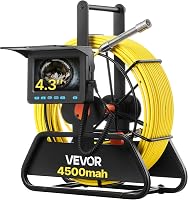
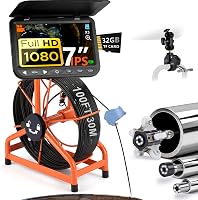
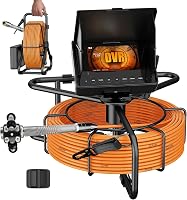
The first VEVOR option suits buyers who need a locator and a larger screen. The other VEVOR cameras suit shorter or farther-reaching checks without a locator, while the JQKJCAM offers the longest cable of these choices and recording.
Skip buying any of these cameras if you only need a one-time inspection for a home purchase and do not want to learn cable handling or interpret the video. In that case, an inspector's documentation and explanation are more useful than owning equipment for a single job.
Is a sewer scope inspection worth it before you buy?
A sewer scope inspection is worthwhile when the line's history is unclear or signs of trouble are present. Choose a qualified inspector when you need findings explained, and choose a DIY camera only if you have a reason to use it and are prepared to handle the limits of the footage.
If you have recent repair records and no drainage concerns, ask your home inspector whether a separate scope would add useful information. If the line's history is unknown, arrange the inspection early enough to review the results and seek follow-up before your purchase deadlines.
Frequently asked questions
Is a sewer scope inspection worth it when buying a house?
Often, yes, if the home has an older or unknown sewer line, signs of drainage trouble, or a large tree near the route. A scope can show the inside of an accessible line, giving you information to discuss with the seller, inspector, or a plumbing professional before closing.
What can a sewer scope inspection find?
A sewer scope may show visible roots, buildup, standing water, cracks, offsets, or other changes inside the section reached by the camera. It cannot show every cause of a sewer problem or guarantee the line will stay clear, so ask the inspector to explain the limits and findings.
Should I use a sewer camera myself before buying a home?
A homeowner camera can provide a visual look, but it takes skill to guide the cable and interpret what appears on screen. For a purchase decision, consider a qualified sewer inspector who can document findings and explain their significance; follow their advice on any further evaluation.
Does a sewer scope inspection locate the exact problem underground?
A camera shows the pipe interior, while locating equipment can help estimate where a camera head is underground if the system supports it. Not every sewer camera includes a locator.
Ask the inspector whether locating is available and how precise the marked position will be.